
Office Phone: 314-544-5600
4225 Bayless Ave | St. Louis, MO 63123






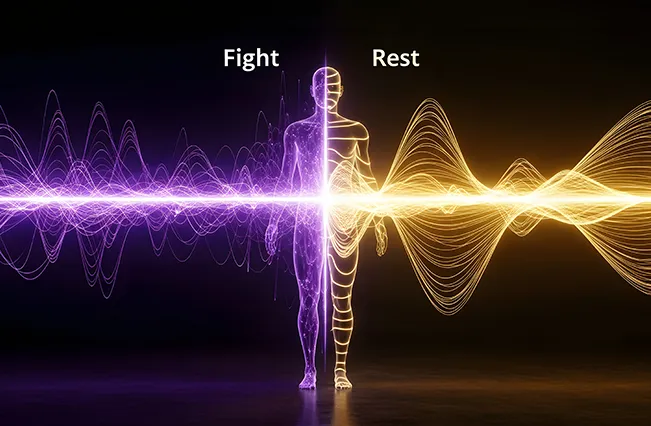
Stress is one of the most common yet misunderstood factors in health. This resource draws from National Institute of Mental Health (NIMH) research to explain how stress affects the body and what you can do about it.
We share this because understanding stress is often a critical first step in a root cause approach to many health challenges. Chronic stress may affect virtually every system in the body, making it one of the most important factors to address.
At Nepute Wellness, we frequently see how unmanaged stress may contribute to a wide range of health challenges: digestive issues, hormonal imbalances, sleep problems, cognitive difficulties, and chronic inflammation. Research published in the Annual Review of Psychology has demonstrated that chronic stress may affect virtually every system in the body.
When you experience stress, your body activates the “fight or flight” response, releasing cortisol and adrenaline. While this response is helpful in short bursts, chronic activation may lead to elevated cortisol levels that research suggests may disrupt immune function, metabolism, sleep, and digestive health.
The National Institute of Mental Health identifies several key ways stress may manifest: headaches, muscle tension, digestive problems, sleep difficulties, mood changes, difficulty concentrating, and changes in appetite or energy.
Research published in JAMA Internal Medicine has found associations between chronic psychological stress and increased risk of cardiovascular events. Similarly, studies in Brain, Behavior, and Immunity have demonstrated links between chronic stress and immune system dysregulation.
This is why addressing stress is not just about “feeling better” emotionally. It may be a fundamental root cause factor that influences physical health outcomes.
The NIMH recommends several evidence based strategies for managing stress: regular physical activity, maintaining social connections, practicing mindfulness or relaxation techniques, ensuring adequate sleep, and seeking professional support when needed.
These strategies align with the Nepute Wellness approach to whole person care. When we assess a patient, stress management is always part of the conversation.
Source: National Institute of Mental Health (NIMH), U.S. Department of Health and Human Services. Public domain material used with attribution.
Root cause, not symptom management: addressing stress may be one of the most impactful steps you can take for your overall health.
The DNA Discovery Wellness test is available as part of our Advanced (Biolimitless All-In) examination tier. It measures over 915,000 data points from your DNA to provide one of the most comprehens
Vibration therapy at Nepute Wellness uses whole-body vibration platforms designed to stimulate the lymphatic system, support cerebellar function, and encourage the body’s natural recovery processes. Research suggests vibration therapy may help support the production of stem cells and exosomes.
This modality is often combined with corrective chiropractic care and Neuro Arp Wave therapy as part of a comprehensive approach to helping patients move from a state of disconnection back toward optimal function.
At Nepute Wellness, your examination results are treated with the utmost confidentiality. All patient data, including blood work, brain mapping, DNA analysis, and consultation notes, is protected i
For your first visit, we recommend bringing a list of current medications and supplements, any recent lab results or medical records you’d like to share, and comfortable clothing for your physical